Why Nature-Led Living is Becoming the New Luxury in Real Estate
Luxury real estate is entering a new phase. For years, premium homes were defined by larger spaces, prestigious addresses, designer interiors and extensive amenities. Today, another form of value is gaining attention: access to nature, open space, privacy and a slower way of living.
This does not mean conventional luxury has disappeared. Instead, the definition is expanding. A premium property is increasingly expected to offer not only a well-designed home, but also an environment that complements how people want to live and spend their time.
That shift helps explain why nature-led living is becoming the new luxury in real estate.
For buyers and developers, the question is no longer simply what does the property offer? It is also what kind of lifestyle does the property make possible?
What is Nature-Led Living in Real Estate?
Nature-led living is a residential approach in which the natural setting influences the planning of the development rather than being treated as decorative landscaping.
It can include:
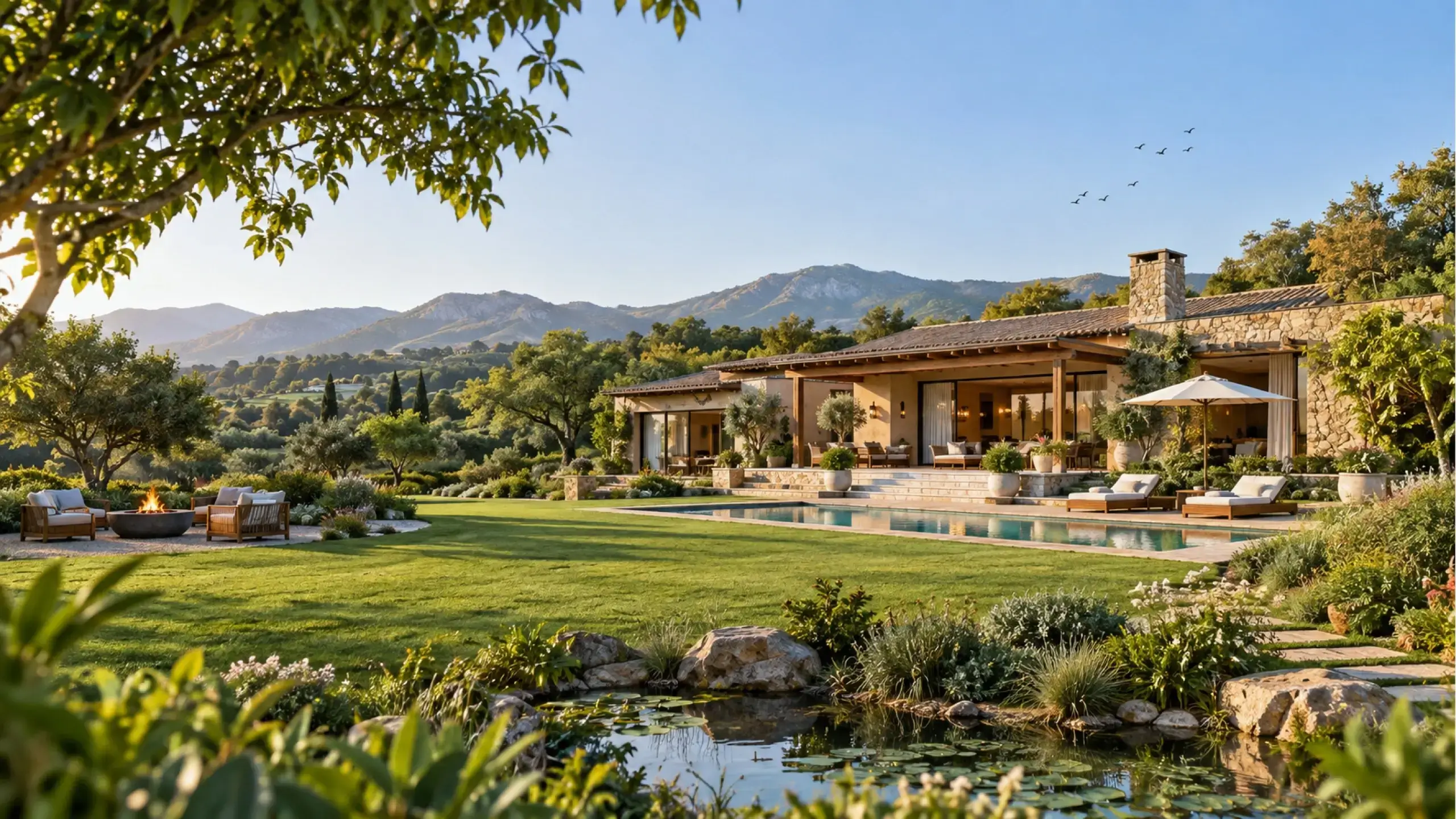
- Private gardens and larger open spaces
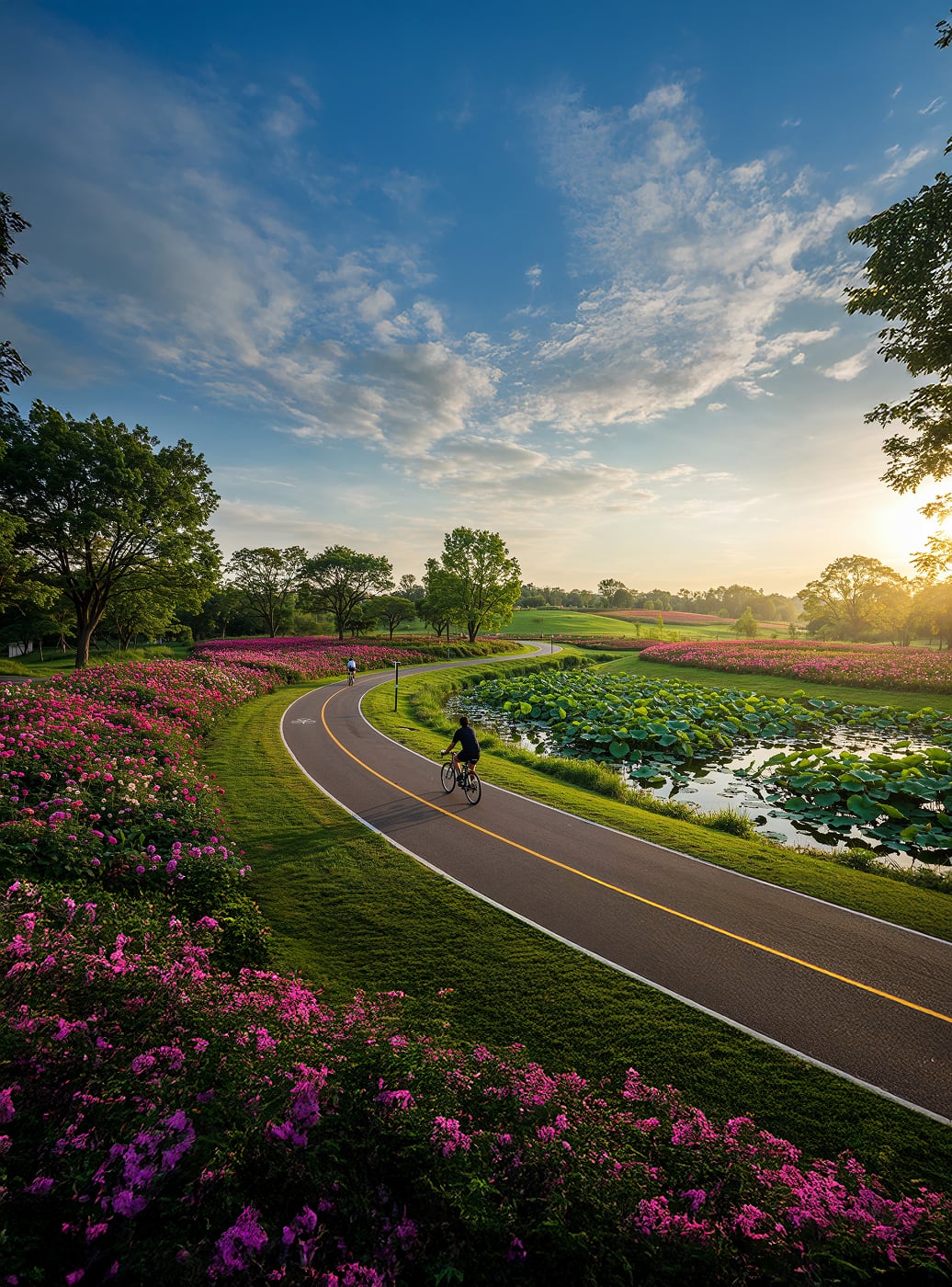
- Walking and cycling trails
- Orchards, botanical areas and landscaped zones
- Outdoor wellness and recreation
- Lower-density residential planning
- Indoor-outdoor living
- Spaces designed around relaxation and interaction with nature
The distinction matters. A project with landscaped gardens is not automatically nature-led. In a nature-led development, the landscape plays a role in shaping the layout, amenities and everyday experience.
Why is Nature Becoming a Luxury?
The growing appeal of nature-led living reflects changing expectations around urban life. The World Health Organization identifies green spaces as environments that can support physical activity, relaxation and social interaction, while its research highlights the relationship between access to nature and aspects of physical and mental well-being.
For real estate, this gives luxury another dimension.
1. Space Means More Than Square Footage
Luxury has traditionally focused on the size and finish of a home. Nature-led living adds another consideration: the quality of the space surrounding it.
A private garden, outdoor sitting area, mature landscape or walking trail can expand how residents experience a property without simply adding more built-up area.
For farmhouse buyers, this becomes particularly relevant because the land itself forms part of the ownership experience.
2. Privacy Comes From More Than Walls
Privacy is not only an architectural feature.
Lower-density planning, open landscapes and greater distance between properties can create a quieter residential environment. This is one reason farmhouse communities can occupy a distinct space within the second-home market.
3. Wellness is Moving Outdoors
Wellness-focused real estate once centred largely on gyms, spas and clubhouses. Nature-led developments extend that idea into the outdoors.
Walking trails, meditation areas, cycling routes, gardens and open spaces can make the surrounding landscape part of everyday recreation rather than something viewed from a window.
4. Luxury is Becoming More Experiential
The premium real estate conversation is gradually shifting from how many amenities a project has to how those amenities are experienced.
A long list of facilities does not automatically create a meaningful lifestyle. Their planning, accessibility and relationship with the surrounding environment can matter just as much.
This makes landscape planning a core part of the proposition rather than an afterthought.
Nature-Led vs Conventional Luxury Real Estate
| Conventional Luxury | Nature-Led Luxury |
|---|---|
| Focuses heavily on the built environment | Connects buildings with the natural setting |
| Premium interiors and finishes | Home, land and landscape work together |
| Amenities often centre around a clubhouse | Experiences can extend across the landscape |
| Privacy is largely architectural | Privacy also comes from space and surroundings |
| Outdoor areas may be secondary | Outdoor living is part of the core proposition |
The two models are not mutually exclusive. Increasingly, nature-led luxury combines modern comfort and amenities with a stronger relationship to land and open space.
SOUL Vankriti: A Nature-Led Approach to Farmhouse Living
SOUL Vankriti is spread across 118 bigha in the Dausa-Lalsot region of Rajasthan. Its first phase comprises 50 farmhouses, with each property offering 1,000 sq. yd. of private land and a 900 sq. ft. 1 BHK villa, alongside access to more than 100 planned experiences across five zones.
What stands out is not simply the number of planned facilities, but the way they are organised around different aspects of the landscape and outdoor lifestyle.
Five Zones, Five Ways to Experience Nature
North Zone – Wellness & Tranquillity
The plan includes a forest bathing trail, reflexology walkway, lotus pond, aroma garden and meditation spaces.
East Zone – Sports & Fitness
Cycling tracks, yoga spaces, sports courts and outdoor fitness areas bring physical activity into the open landscape.
Central Zone – Signature Experiences
A central lake, forest café, treehouse, outdoor library spaces, trekking trail and forest bathing area form the project's central experience zone.
West Zone – Family & Community
Picnic areas, children's spaces, camping grounds, hammocks and community lawns focus on shared outdoor experiences.
South Zone – Nature & Landscape
A butterfly garden, botanical garden, fruit orchard walk, bamboo grove and nature trail strengthen the nature-centric character of the development.
This illustrates an important distinction: there is a difference between a farmhouse with greenery around it and a farmhouse community where nature influences the overall planning.
Why Location Still Matters
Nature-led living does not have to mean sacrificing connectivity.
For second-home buyers, the practical proposition is often a balance between retreat and accessibility. A peaceful setting has limited value if reaching it is consistently difficult or essential services are too far away.
SOUL Vankriti's located on the Delhi-Mumbai Expressway and within the Jaipur-Dausa industrial node. It lists approximate distances of 9 km from Lalsot, 34 km from Dausa and 76 km from Jaipur.
For anyone evaluating a farmhouse in Rajasthan, location should therefore be assessed alongside the property's natural setting. Road connectivity, nearby towns, essential services, utilities, legal documentation and the project's actual development status remain important considerations.
Conclusion
The evolving definition of luxury real estate is not necessarily about having more of everything. It is increasingly about more meaningful space, better surroundings and greater access to nature.
That is why nature-led living is becoming an important direction in premium and second-home real estate.
For those exploring a farmhouse in Rajasthan, developments such as SOUL Vankriti represent this shift by combining private land and residential space with a broader nature-focused community setting.
As with any real estate purchase, however, the lifestyle proposition should be evaluated alongside the fundamentals: land, planning, location, documentation, development status, amenities and long-term management.
Frequently Asked Questions
What is nature-led living in real estate?
Nature-led living is a residential approach in which natural surroundings, open spaces, landscaping and outdoor experiences influence the planning and lifestyle of a property rather than functioning only as decorative features.
Why is nature-led living becoming the new luxury in real estate?
Nature-led living is gaining relevance as luxury increasingly includes space, privacy, outdoor experiences and quality of surroundings alongside architecture, interiors and amenities. WHO research also highlights the well-being value associated with access to green spaces.
What makes SOUL Vankriti nature-centric?
SOUL Vankriti is planned around five zones covering wellness, sports, signature experiences, family and community, and nature and landscape. Its listed features include nature trails, gardens, orchards, a central lake, forest bathing areas and outdoor recreational spaces.