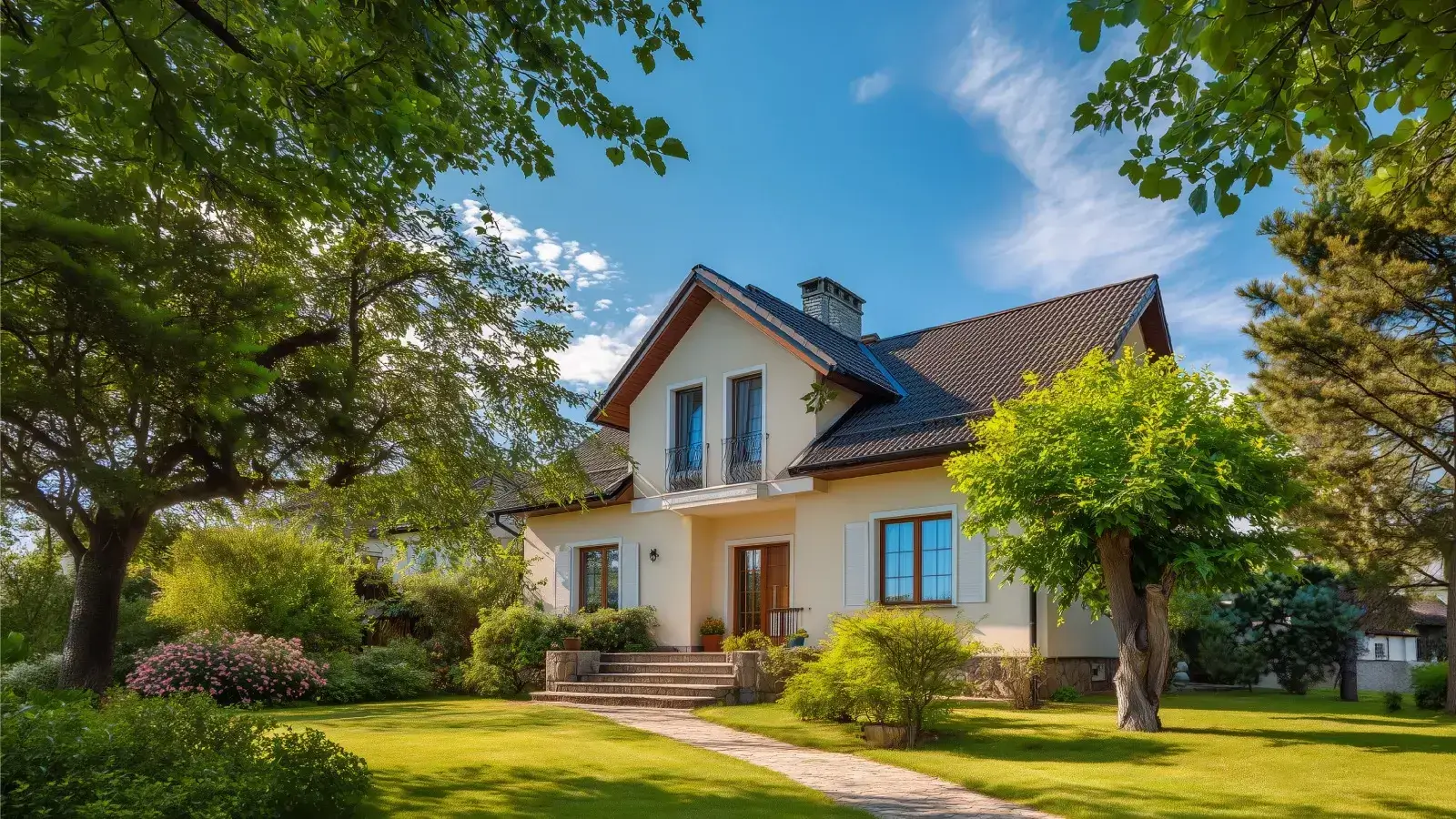
Tax Benefits of Owning a Farmhouse in Haridwar
Investing in a farmhouse is no longer just about lifestyle - it is also about smart financial planning. With growing interest in second homes and nature-driven living, locations like Haridwar are gaining attention among investors, homeowners, and real estate professionals.
One of the most compelling reasons to consider this investment is the tax benefits of owning a farmhouse in Haridwar. From deductions on loans to capital gains advantages, understanding the tax implications can significantly improve your overall return on investment (ROI).
This guide explains the tax benefits in a clear, factual, and practical way, helping you make informed decisions while staying compliant with Indian tax laws.
Why Invest in a Farmhouse in Haridwar?
Before diving into tax benefits, it is important to understand why Haridwar stands out:
- Strong spiritual and tourism appeal
- Increasing demand for second homes
- Proximity to cities like Delhi and Dehradun
- Emerging real estate developments
Investors exploring a farmhouse in haridwar are often looking for both lifestyle value and long-term financial growth.
Understanding Tax Classification of Farmhouses in India
The tax benefits depend largely on how your farmhouse is classified:
| Type of Property | Tax Treatment |
|---|---|
| Agricultural Land | Often exempt from capital gains tax (if rural) |
| Residential Property | Eligible for deductions under Income Tax Act |
| Commercial Use (Rental/Resort) | Taxed as business income |
Important Note: If your farmhouse is used primarily for agricultural purposes and falls under rural classification, it may receive different tax treatment than urban residential property.
Tax Benefits of Owning a Farmhouse in Haridwar
1. Deduction on Home Loan Interest (Section 24)
If your farmhouse qualifies as a residential property and you have taken a home loan:
- You can claim up to INR 2 lakh per year as interest deduction
- Applicable if the property is self-occupied or rented
This is one of the most significant tax benefits for investors.
2. Principal Repayment Deduction (Section 80C)
Under Section 80C:
- You can claim up to INR 1.5 lakh annually on principal repayment
- This includes stamp duty and registration charges
This benefit enhances affordability when planning how to buy a farmhouse smartly.
3. Capital Gains Tax Benefits
When you sell your farmhouse:
Long-Term Capital Gains (LTCG)
- Applicable if held for more than 24 months
- Taxed at 20% with indexation
Exemptions Available:
- Section 54: Reinvest in another residential property
- Section 54EC: Invest in specified bonds
These provisions can help you legally reduce tax liability.
4. Agricultural Income Exemption
If your farmhouse is used for genuine agricultural activities:
- Income from agriculture is exempt under Indian tax laws
- However, it may be considered for rate calculation in some cases
This benefit applies only if the land qualifies as agricultural under local regulations in Uttarakhand.
5. Rental Income Taxation Benefits
If you rent out your farmhouse:
- Standard deduction of 30% on rental income
- Interest on loan is deductible
This makes farmhouse rentals a viable income stream, especially in tourist hubs like Haridwar.
6. Wealth Creation with Tax Efficiency
Farmhouses offer:
- Appreciation potential
- Tax-efficient income (if structured correctly)
This combination is ideal for long-term investors and HNIs.
Important Legal and Tax Considerations
Before claiming benefits, ensure compliance:
Key Checks:
- Land classification (agricultural vs residential)
- Local authority approvals
- Usage type (personal vs commercial)
- Documentation accuracy
While evaluating things to check before buying, always verify legal and tax eligibility.
Smart Tax Strategies for Real Estate Investors
To maximize the tax benefits of owning a farmhouse in Haridwar, consider these strategies:
1. Structure Ownership Wisely
Joint ownership can increase tax deduction limits.
2. Use Property for Mixed Purposes
Combine personal use with rental income.
3. Maintain Proper Records
Keep loan documents, agricultural proofs, and rental agreements.
4. Reinvest Smartly
Use capital gains exemptions effectively.
5. Consult Professionals
Work with tax advisors and real estate experts.
Projects like SOUL Agrofarms often provide guidance on compliance, making it easier for buyers.
Who Should Invest in a Farmhouse?
This investment is ideal for:
- Real estate investors seeking diversification
- Professionals looking for tax-efficient assets
- Families planning second homes
- Buyers interested in eco-living
Conclusion
The tax benefits of owning a farmhouse in Haridwar can significantly enhance your investment returns - if approached correctly. From loan deductions to capital gains exemptions and agricultural income benefits, there are multiple ways to optimize your tax liability.
However, these advantages depend heavily on legal classification, usage, and compliance. That is why it is essential to combine smart investment decisions with proper planning.
If you're considering a farmhouse in haridwar, take time to understand the tax implications, evaluate your goals, and consult experts. With the right strategy, a farmhouse can be more than a lifestyle upgrade; it can be a powerful financial asset.
Frequently Asked Questions:
Are all farmhouses eligible for tax benefits?
No. Eligibility depends on land classification, usage, and compliance with tax laws.
Is agricultural income from a farmhouse always tax-free?
Yes, if it meets legal criteria for agricultural income under Indian law.
Can I claim home loan benefits on a farmhouse?
Yes, if it is classified as a residential property and meets lending criteria.
What happens if I rent my farmhouse?
Rental income is taxable, but you can claim deductions like standard 30% and interest.
Is investing in Haridwar farmhouses a good idea?
Haridwar offers strong potential due to tourism, connectivity, and demand for second homes.