Pros and Cons of Farmhouse Living: Is It the Right Lifestyle for You?
Farmhouse living offers what conventional urban housing often cannot: more space, greater privacy and a closer connection with nature. For homebuyers and second-home seekers, that combination makes it an appealing alternative to city living.
Yet a farmhouse is not simply a larger home in a quieter setting. Maintenance, connectivity, utilities, land-use regulations and ongoing management can significantly shape the ownership experience. Understanding both sides is essential before making a decision.
For those exploring a farmhouse in Haridwar, the choice also involves evaluating the region's accessibility, infrastructure and long-term suitability alongside its natural and cultural appeal.
What Does Farmhouse Living Really Mean?
Farmhouse living typically combines a residential property with a larger plot, open surroundings and greater access to greenery. Depending on the development, it may range from an independently owned rural home to a professionally planned farmhouse community with landscaping, amenities and property-management services.
That distinction matters. The lifestyle may look similar on the surface, but the responsibilities of maintaining an independent property can differ considerably from those within a managed development.
Pros of Farmhouse Living
1. More Space and Privacy
Space is perhaps the most obvious advantage. Larger plots can accommodate gardens, outdoor seating, recreational areas and landscaped spaces that are difficult to create in a conventional apartment.
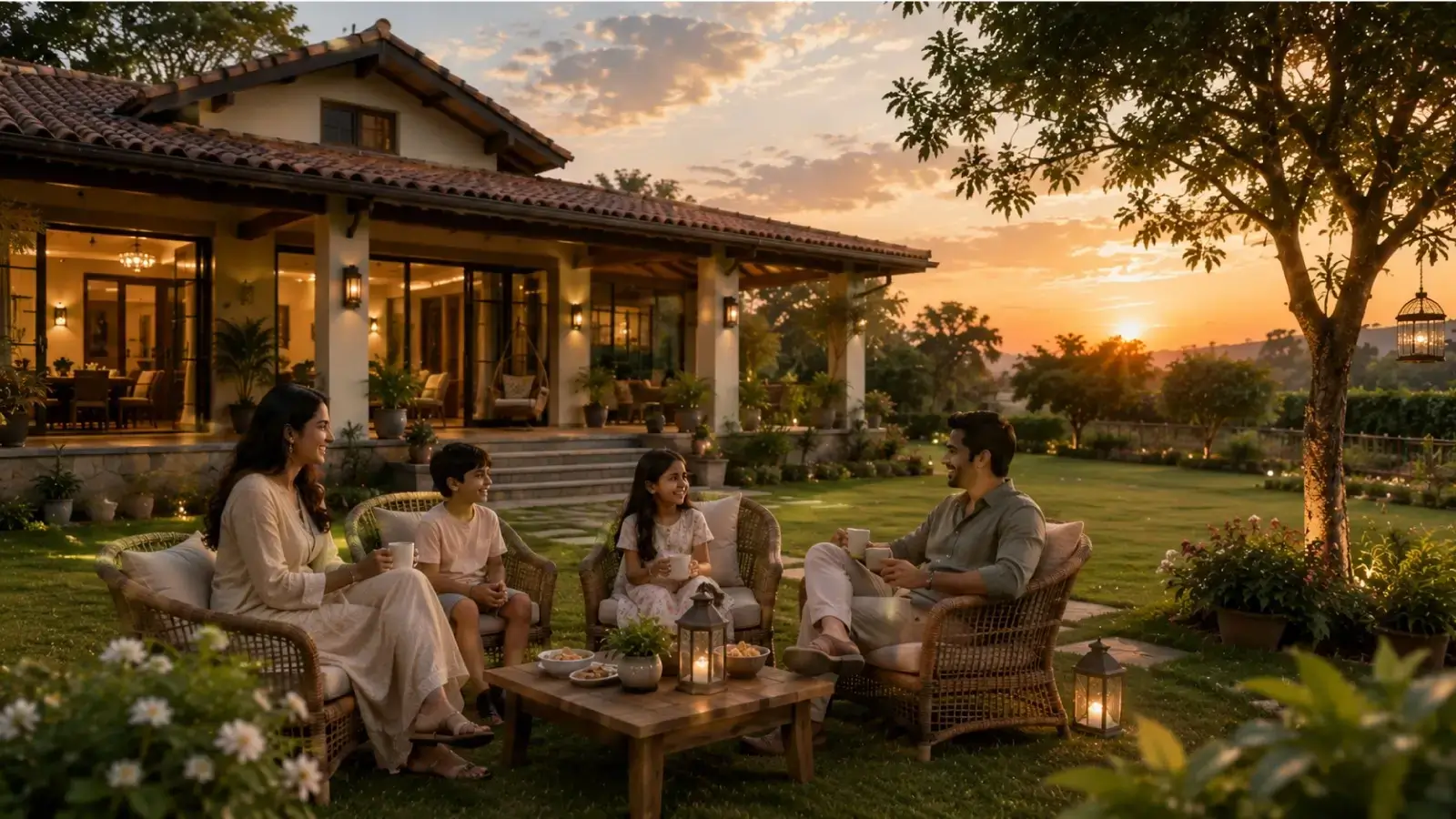
For families, the additional room also creates greater flexibility for gatherings, outdoor activities and personal use without compromising privacy.
2. A Closer Connection with Nature
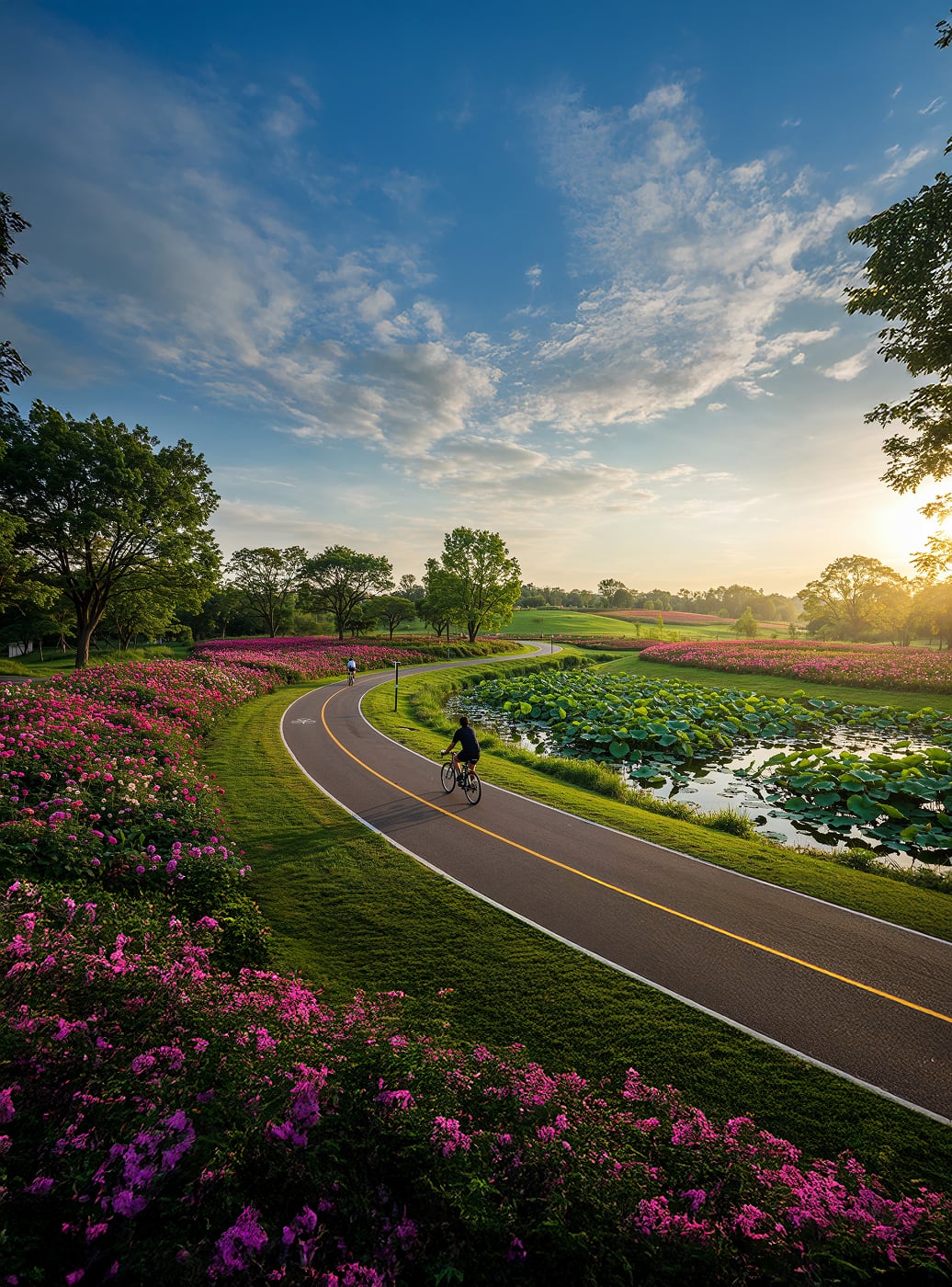
In a farmhouse, greenery and open space become part of everyday life rather than an occasional escape. Gardens, trees, open skies and outdoor areas can fundamentally change how a home feels and functions.
This can appeal to buyers who want distance from dense urban environments while still retaining access to modern conveniences.
3. Designed for Leisure-Oriented Living
A farmhouse can serve different purposes depending on its location and infrastructure. It may function as a weekend retreat, a second home or, where daily connectivity allows, a permanent residence.
The setting also lends itself to gardening, outdoor dining, family gatherings and unhurried time away from the city.
4. Greater Scope for Personalisation
A farmhouse can offer more flexibility than an apartment in how outdoor spaces are planned and experienced, subject to applicable construction and development regulations.
This gives buyers more factors to consider beyond interiors, including landscape, orientation, privacy, outdoor usability and the overall character of the property.
5. A More Private Second-Home Experience
For second-home buyers, a farmhouse can provide a sense of ownership that goes beyond having a place to stay occasionally. It can become a dedicated retreat for weekends, holidays and extended family time.
However, this benefit depends heavily on location. A peaceful property loses some of its appeal if reaching it is consistently difficult.
Cons of Farmhouse Living
The same features that make farmhouse living attractive can also increase the responsibilities of ownership.
1. Maintenance Can Be More Demanding
Larger properties typically require more upkeep than apartments. Landscaping, gardens, external structures, utilities, security and seasonal maintenance can all add to the workload and cost.
For properties that remain vacant for extended periods, regular supervision becomes particularly important.
2. Connectivity May Require a Compromise
Farmhouses are often located away from dense urban neighbourhoods. While that creates privacy and open surroundings, it can also increase travel times to workplaces, schools, hospitals, shopping and other everyday services.
Buyers considering permanent living should assess actual road access and travel times rather than judging convenience solely by the property's location name.
3. Essential Utilities Need Scrutiny
A scenic setting cannot compensate for unreliable infrastructure. Before purchasing, buyers should assess electricity, water supply, drainage, internet connectivity, road access and security.
These considerations become even more important when the property is intended for frequent or year-round use.
4. Legal and Land-Use Due Diligence Is Essential
Farmhouse purchases require careful verification beyond the property's price and appearance. Buyers should review ownership and title documents, land records, permitted land use, construction permissions, access rights and applicable local regulations.
Since requirements can vary by location and land classification, independent legal advice is advisable before completing the transaction.
How Managed Farmhouses Change the Equation
A managed farmhouse model can reduce some of the practical responsibilities associated with independent ownership.
At SOUL Agrofarms, the managed-living approach includes landscaping and horticulture upkeep, structure and amenity maintenance, agro-support, utilities and security services.
The distinction is important: the proposition is not limited to providing a larger plot but focuses on making the property easier to maintain while preserving the appeal of nature-oriented living.
For buyers who value the farmhouse lifestyle but prefer not to coordinate landscaping, security and routine upkeep themselves, a professionally managed community may offer a more convenient ownership model.
Conclusion
Farmhouse living works best for buyers whose priorities extend beyond conventional urban convenience. More space, privacy, greenery and a slower pace can create a distinctive residential experience, while maintenance, connectivity, utilities and legal considerations require greater diligence.
The property itself is only one part of the decision. Infrastructure, management, accessibility, documentation and long-term costs can determine whether the lifestyle remains enjoyable after the initial appeal fades.
For buyers considering nature-centric living in the Haridwar region, SOUL Prakriti can be one option to evaluate. As with any real estate purchase, the final decision should follow a thorough assessment of the property, documentation, costs, location and suitability for the intended lifestyle.