How Location Affects Farmhouse Prices?
When it comes to real estate, one principle has remained constant over time - location is everything. Whether you're an investor, developer, or homebuyer, understanding how location affects farmhouse prices is crucial to making informed decisions.
Farmhouses are no longer just luxury weekend homes. Today, they are emerging as high-potential investment assets, especially in regions like Haridwar, where natural beauty meets growing infrastructure. However, two farmhouses with similar features can have drastically different prices, simply because of their location.
In this blog, we break down the key factors that influence farmhouse pricing based on location, backed by real-world insights and practical strategies for buyers and investors.
What Does “Location” Really Mean in Farmhouse Real Estate?
Location is more than just a pin on the map. It includes a combination of factors that collectively influence value:
- Proximity to cities and highways
- Accessibility and connectivity
- Natural surroundings and views
- Infrastructure development
- Legal zoning and land use
- Demand and future growth potential
Each of these plays a critical role in determining the price of a farmhouse.
Key Factors That Explain How Location Affects Farmhouse Prices
1. Proximity to Urban Centers
Farmhouses located closer to major cities or towns typically command higher prices due to convenience.
Why It Matters:
- Easier weekend access for urban buyers
- Better rental income potential
- Higher resale value
For example, a farmhouse in Haridwar located near the city center or highways will generally be priced higher than one in a remote rural area.
2. Connectivity and Infrastructure
Good roads, highways, and public transport significantly impact property value.
Key Infrastructure Elements:
- National highways (e.g., NH-58)
- Railway connectivity
- Upcoming expressways
- Public transport access
Impact on Prices:
| Connectivity Level | Price Impact |
|---|---|
| Excellent | High appreciation |
| Moderate | Stable growth |
| Poor | Lower demand |
Improved connectivity reduces travel time, making the property more attractive for both buyers and renters.
3. Natural Surroundings and Scenic Value
Farmhouses are often purchased for lifestyle benefits, making natural surroundings a major price driver.
High-Value Features:
- River-facing properties
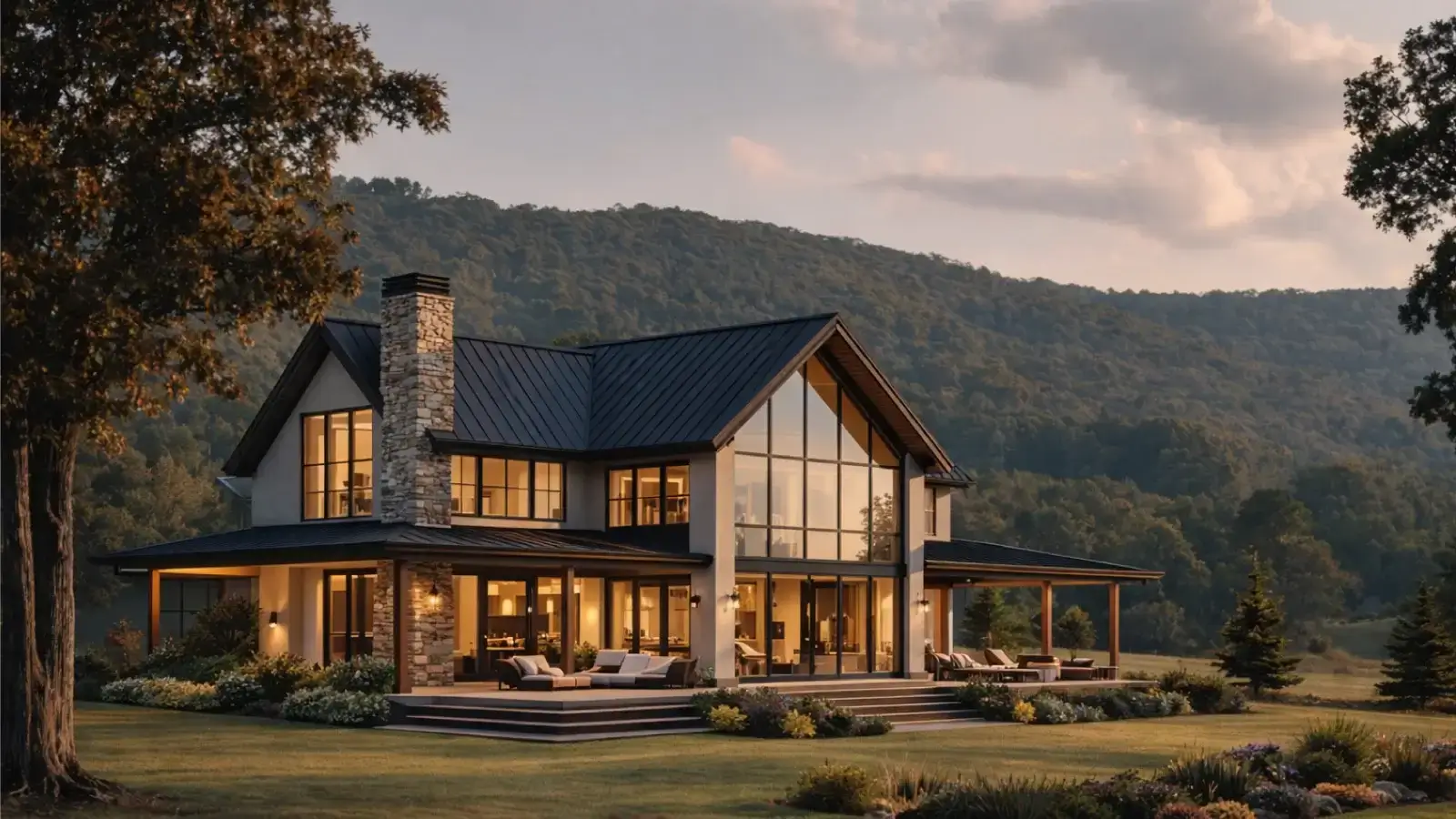
- Mountain or forest views
- Pollution-free environment
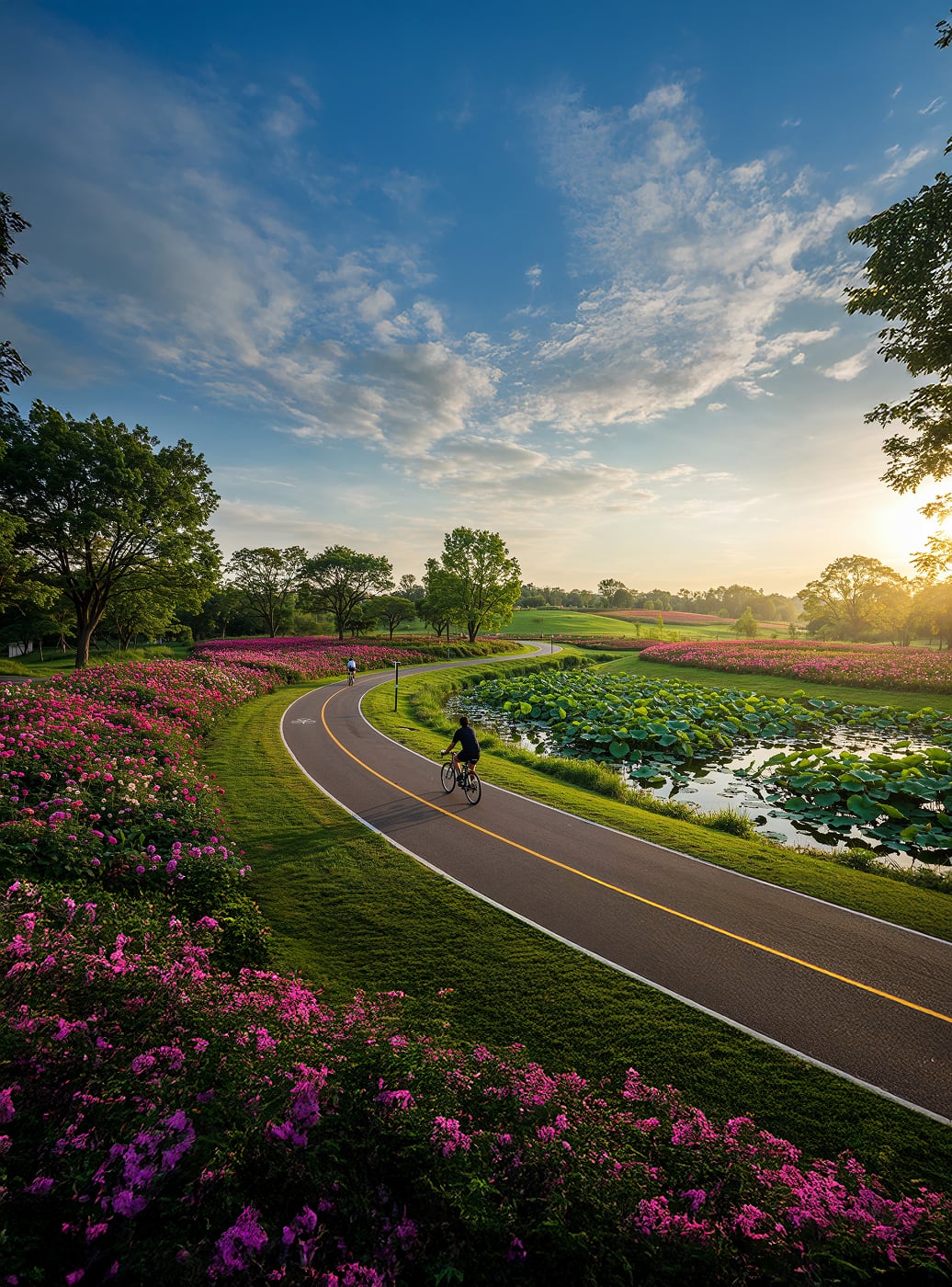
Locations near the Ganges in Haridwar or surrounded by greenery tend to command premium pricing due to their lifestyle appeal.
4. Neighborhood Development and Social Infrastructure
The surrounding ecosystem also plays a crucial role.
Consider Nearby Facilities:
- Schools and hospitals
- Markets and daily conveniences
- Tourist attractions
- Gated communities
A well-developed neighborhood increases both usability and long-term value.
5. Legal and Zoning Regulations
Land use laws vary significantly by location, especially for agricultural or farmhouse properties.
Important Factors:
- Land classification (agricultural vs residential)
- Local authority approvals
- Construction permissions
Properties in legally clear and approved zones often have higher prices due to reduced risk.
6. Demand and Market Trends
Demand varies by location based on buyer preferences and tourism potential.
High-Demand Locations:
- Religious destinations
- Tourist hubs
- Weekend getaway zones
For instance, buying farmhouse in Haridwar is gaining traction due to its religious significance and increasing tourism inflow.
7. Future Growth and Development Potential
Upcoming infrastructure projects can significantly influence farmhouse prices.
Growth Indicators:
- New highways or expressways
- Industrial or commercial zones
- Government-backed tourism initiatives
Investors often look for emerging areas where prices are currently low but expected to rise.
Location Comparison: Urban vs Semi-Urban vs Rural Farmhouses
| Factor | Urban Edge | Semi-Urban | Rural |
|---|---|---|---|
| Price | High | Moderate | Low |
| Connectivity | Excellent | Good | Limited |
| Appreciation | Stable | High potential | Uncertain |
| Rental Demand | High | Moderate | Low |
Why Haridwar Is a Hotspot for Farmhouse Investments
Haridwar has emerged as a preferred destination for farmhouse investments due to:
- Spiritual and tourism significance
- Improved road and rail connectivity
- Clean and green environment
- Increasing demand for second homes
Projects like SOUL Agrofarms are strategically located to balance accessibility and natural surroundings, making them attractive for both end-users and investors.
Conclusion
Understanding how location affects farmhouse prices is essential for making smart real estate decisions. From connectivity and infrastructure to scenic value and future growth, every location-based factor contributes to pricing and long-term returns.
Whether you're exploring buying farmhouse in Haridwar or considering premium projects like SOUL Agrofarms, always evaluate the location holistically, not just the price tag.
A well-chosen location doesn’t just enhance your lifestyle, it ensures strong appreciation, better rental potential, and long-term value.
Frequently Asked Questions:
Why do farmhouses in prime locations cost more?
Prime locations offer better connectivity, infrastructure, and demand, which directly increases property value.
Is it better to invest in a remote farmhouse?
Remote properties are cheaper but may lack appreciation and rental potential unless future development is planned.
Does scenic value really affect farmhouse prices?
Yes, properties with natural views (river, hills, greenery) often command premium pricing due to lifestyle demand.
How important is connectivity for farmhouse investment?
Connectivity is one of the most critical factors—it affects usability, demand, and resale value.
Are farmhouses in Haridwar a good investment?
Yes, due to tourism, spirituality, and infrastructure growth, farmhouse in Haridwar locations are seeing increasing demand.