From Vacation Home to Lifestyle Home: How Second-Home Living is Evolving
A second home was once largely associated with holidays-a place to visit for a few weekends, spend vacations and return to the city. That definition is changing.
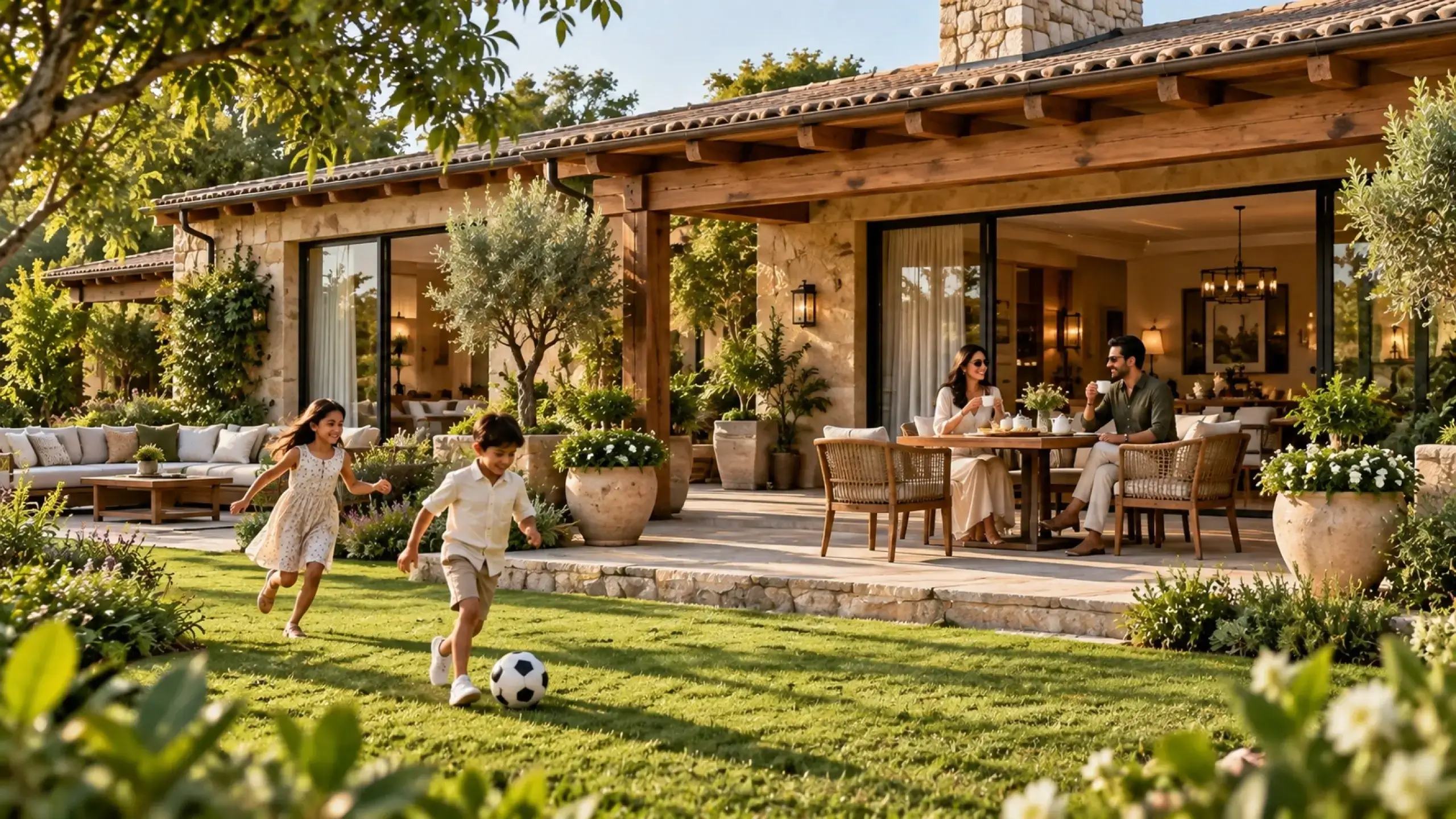
Today, the shift from vacation home to lifestyle home reflects a broader change in how buyers view second-home ownership. The focus is moving beyond occasional use towards nature, wellness, outdoor living, family time and a more intentional way of life.
Recent industry research and reporting point to growing interest in second homes that combine lifestyle benefits with accessibility and professional management. This raises an important question for buyers and developers: what makes a second home useful as part of everyday life rather than simply a holiday destination?
From Weekend Retreat to Lifestyle Extension
The traditional vacation home had a straightforward purpose: provide an escape from the city. The emerging lifestyle home serves a broader role, supporting extended family stays, remote work, wellness breaks, outdoor activities or simply more time away from urban density.
This does not mean every second home will become a primary residence. Instead, its value increasingly depends on how well it fits the owner's lifestyle and how frequently the property can realistically be used.
What is Changing?
| Traditional Vacation Home | Emerging Lifestyle Home |
|---|---|
| Primarily used for holidays | Designed for regular, longer stays |
| Focus on accommodation | Focus on the overall living experience |
| Destination-led | Lifestyle and nature-led |
| Limited personal use | Greater year-round usability |
| Individual property focus | Community and shared experiences |
| Occasional maintenance | Preference for managed ownership |
The distinction is not absolute. Many second homes will continue to function primarily as holiday properties. The difference lies in the broader expectations buyers now bring to the category.
Why Nature is Becoming Central to Second-Home Living
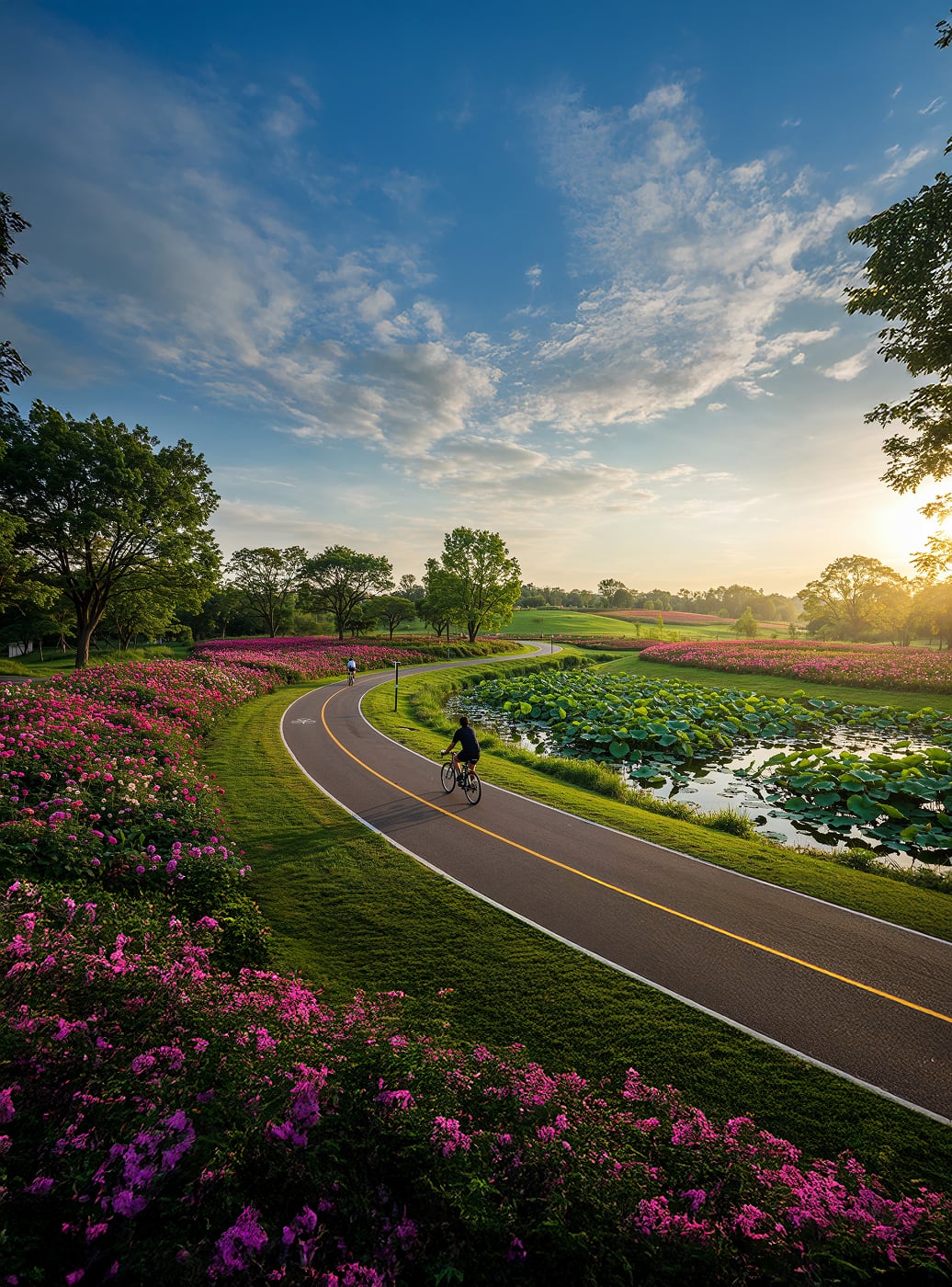
For many buyers, the appeal of a second home is no longer simply being somewhere different. It is the opportunity to experience a different quality of everyday life.
Open landscapes, greenery, outdoor spaces and quieter surroundings can provide a contrast to dense urban environments. This connects with the broader development of rural, eco and wellness tourism in India, which the Ministry of Tourism recognises as distinct areas within its tourism strategies.
Rajasthan offers an example of this broader tourism approach. Its tourism framework identifies rural tourism as an experience-oriented category that can include farm, agricultural, cultural, nature and eco-tourism experiences.
For second-home development, this creates an opportunity to look beyond the building itself. The landscape, outdoor experiences, community spaces and relationship with nature can become integral to the ownership experience.
Wellness is Moving Beyond an Amenity
A swimming pool or gym may add value to a property, but the newer lifestyle-home proposition takes a broader approach to wellness.
Walking trails, meditation spaces, gardens, outdoor recreation and natural landscapes can encourage activities associated with slowing down and spending more time outdoors.
This represents a shift in real estate planning: wellness does not necessarily have to be an amenity added to a home. It can influence how the entire community and its surroundings are designed.
For buyers, the distinction is important. A property that simply offers a few wellness facilities is different from one where nature, outdoor spaces and everyday living are planned together.
Connectivity Still Matters
Choosing nature-led living does not necessarily mean choosing isolation. Accessibility remains important because a second home is more practical when owners can reach it conveniently and use it regularly.
This is particularly relevant to professionally planned farmhouse communities. The objective is to combine a quieter setting with practical access to urban centres rather than forcing buyers to choose between connectivity and nature.
Rajasthan's official tourism information also highlights its extensive road network and improving transport connectivity. For second-home destinations, this combination can make it possible to maintain distance from urban congestion without becoming completely disconnected from it.
The Rise of Managed Second-Home Communities
Maintenance is one of the practical challenges of owning a farmhouse or second home, particularly when the owner lives in another city. Landscaping, utilities, security, structural upkeep and common-area management can all require regular attention.
Managed communities can address some of these operational challenges. A professionally managed development may handle recurring requirements, making ownership more convenient. However, buyers should examine exactly what the management arrangement covers, the associated costs and the contractual responsibilities of both the developer and owner.
SOUL Agrofarms describes its managed approach around landscaping and horticulture, structure and amenity maintenance, agro-support, utilities, security and community management.
The underlying principle is straightforward: owning a piece of nature does not necessarily have to mean personally managing every operational detail.
What Buyers Should Look for in a Lifestyle Home
The lifestyle-home concept can be attractive, but buyers should evaluate the property objectively rather than relying only on the broader proposition.
Before purchasing, consider:
- Location and Accessibility – Check actual travel time, road access and connectivity rather than relying only on marketing claims.
- Land and Ownership Structure – Understand exactly what land and built-up property you will own.
- Legal Due Diligence – Verify title, land use, approvals, access rights and applicable local regulations.
- Usability – Consider whether the property works for both weekend visits and longer stays.
- Nature and Landscape Planning – Assess whether greenery and outdoor spaces are genuinely integrated into the master plan.
- Maintenance Model – Understand who manages landscaping, utilities, security and common areas.
- Total Cost of Ownership – Account for maintenance, management charges, taxes and other applicable expenses.
- Investment Assumptions – Do not rely solely on projected appreciation or rental returns. Evaluate the property using verified facts and your intended use.
This due diligence is particularly important for farmhouse purchases because land-use and property regulations can vary by state and location.
What This Means for the Future of Second-Home Real Estate
The second-home category is becoming more diverse. Some buyers still want a conventional holiday retreat, while others are looking for properties that support longer stays, outdoor living, family experiences and personal wellness.
Industry reporting in 2025 and 2026 has also highlighted the intersection of second homes with lifestyle preferences, managed living and experience-led residential development.
For developers, this means the proposition extends beyond constructing a house. Landscape planning, community infrastructure, maintenance and accessibility can all influence how useful a second home becomes.
For buyers, the question is equally practical: Will this property simply give you a place to visit, or a lifestyle you genuinely want to return to?
Conclusion
The journey from vacation home to lifestyle home reflects a changing understanding of second-home ownership. The emphasis is expanding from occasional recreation towards nature, wellness, outdoor experiences, convenience and longer-term usability.
Projects such as SOUL Vankriti illustrate how this concept can translate into a planned farmhouse community where private ownership sits within a larger nature-led environment.
For buyers considering SOUL Vankriti, the evaluation should go beyond the farmhouse itself. Location, legal clarity, land ownership, planning, maintenance, accessibility and lifestyle fit should all be considered before making a decision.
A second home does not have to be simply a place you visit. Increasingly, it can become a place that supports how you choose to live when you step away from the city.
Frequently Asked Questions:
What is the difference between a vacation home and a lifestyle home?
A vacation home is primarily intended for holidays and short stays. A lifestyle home is designed for broader use, including longer stays, wellness, outdoor living, family time and regular escapes from urban life.
Why are second homes becoming lifestyle-oriented?
Changing preferences around nature, wellness, flexible work and quality of life are influencing the second-home category. Industry research and reporting indicate growing interest in properties that offer more than occasional recreational use.
Is a farmhouse in Rajasthan suitable as a second home?
It can be considered by buyers seeking private space, nature and a rural or experiential setting. However, buyers should assess location, legal status, land use, accessibility, maintenance and ownership structure before purchasing.
What makes SOUL Vankriti different from a conventional vacation home?
SOUL Vankriti is planned as a nature-led farmhouse community rather than focusing only on individual farmhouse units.
What should I check before buying a second home?
Check title and land ownership, permitted land use, approvals, access, infrastructure, maintenance arrangements, total ownership costs and the property's suitability for your intended use. Farmhouse regulations can vary by location.