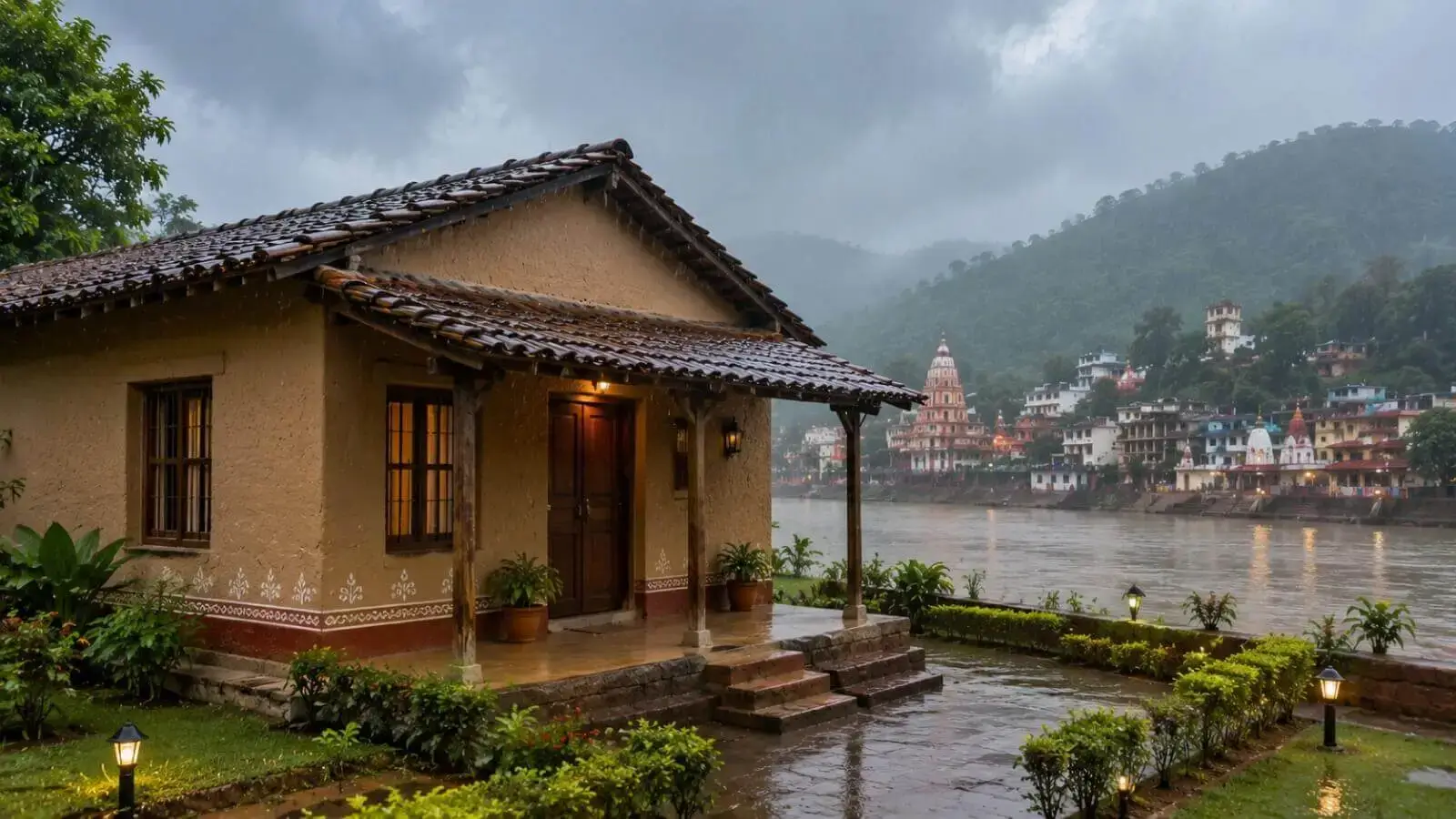
Are Mudhouses Safe During Monsoon in Haridwar?
Mudhouses have become increasingly popular among homebuyers seeking sustainable, eco-friendly, and wellness-focused living. Haridwar, known for its natural beauty, spiritual significance, and growing demand for farmhouse communities, has witnessed rising interest in mudhouse developments.
However, one question remains common among buyers and investors: are mudhouses safe during monsoon in Haridwar?
The short answer is yes—provided they are designed, engineered, and maintained correctly. Traditional mud construction and modern engineered mudhouses differ significantly. Today's professionally built mudhouses incorporate improved construction techniques, protective finishes, proper drainage, and strong foundations that enhance durability during seasonal rainfall.
This guide explains how mudhouses perform during Haridwar's monsoon, the construction practices that improve their resilience, and what buyers should evaluate before investing.
Why This Question Matters
Haridwar experiences seasonal monsoon rainfall every year. While rainfall varies by season, prolonged moisture exposure can affect any building material if construction quality is poor.
Whether purchasing a holiday farmhouse, an investment property, or a weekend retreat, understanding the structural performance of mudhouses helps buyers make informed decisions.
For developers, educating buyers about modern mud construction also builds confidence and trust.
Are Mudhouses Safe During Monsoon in Haridwar?
Yes, professionally designed mudhouses can remain safe during Haridwar's monsoon when they incorporate proper engineering, moisture protection, drainage, and regular maintenance.
Unlike centuries-old rural homes built without engineered foundations, modern mudhouses use improved construction practices that significantly enhance weather resistance.
Their safety depends more on construction quality and site planning than on the building material itself.
Traditional Mudhouses vs Modern Mudhouses
| Feature | Traditional Mudhouses | Modern Engineered Mudhouses |
|---|---|---|
| Foundation | Often shallow | Engineered reinforced foundation |
| Roof Design | Basic | Proper roof slope with larger overhangs |
| Rain Protection | Limited | Water-resistant finishes and plasters |
| Drainage | Minimal | Planned drainage around the structure |
| Structural Planning | Local methods | Engineered design and quality control |
| Maintenance | Frequent | Periodic preventive maintenance |
Modern construction methods have significantly improved the durability of mud-based structures.
How Modern Mudhouses Handle Monsoon Conditions
1. Strong Foundation Protects Against Moisture
The foundation is one of the most critical components.
A raised and well-designed foundation prevents rainwater from entering the walls while reducing prolonged contact between soil moisture and the structure.
Professional developers typically ensure:
- Stable foundation design
- Proper site grading
- Water runoff management
- Moisture separation between foundation and walls
2. Roof Design Plays a Major Role
One of the biggest reasons traditional mudhouses suffered during heavy rains was inadequate roof protection.
Modern mudhouses generally include:
- Sloped roofs
- Extended roof overhangs
- Efficient rainwater drainage
- Gutters where appropriate
These features help divert rainwater away from exterior walls.
3. Exterior Protective Plaster
Mud walls are rarely left exposed.
Builders commonly apply protective exterior finishes using suitable natural or stabilized plaster systems designed to reduce direct rain penetration while allowing the walls to remain breathable.
Properly maintained exterior finishes significantly improve long-term performance.
4. Effective Site Drainage
Good drainage is essential for every property—not only mudhouses.
Professional developments usually include:
- Surface water channels
- Natural site grading
- Rainwater diversion
- Proper landscaping
Preventing standing water around the building greatly reduces moisture-related issues.
Benefits of Mudhouses During Haridwar's Climate
Interestingly, mudhouses offer several natural advantages.
Natural Temperature Regulation
Mud has high thermal mass.
It absorbs heat slowly during the day and releases it gradually, helping interiors remain comfortable through changing weather conditions.
Better Indoor Comfort
Mud walls naturally regulate humidity by absorbing and releasing moisture under suitable conditions.
This contributes to a comfortable indoor environment when combined with proper ventilation.
Sustainable Living
Mudhouses use natural materials and generally require less energy-intensive construction than many conventional methods.
For environmentally conscious buyers, this aligns well with sustainable housing goals.
Common Myths About Mudhouses
Myth 1: Mudhouses Melt During Rain
Reality: Properly engineered mudhouses do not dissolve during rainfall. Protective finishes, foundations, and roof systems are specifically designed to minimize water exposure.
Myth 2: Mudhouses Are Weak
Reality: Structural strength depends on design, material composition, engineering, and workmanship—not simply whether walls contain earth-based materials.
Myth 3: Mudhouses Need Constant Repairs
Reality: Like any home, mudhouses benefit from periodic maintenance. Timely inspection of plaster, drainage, and roofing helps preserve long-term performance.
Maintenance Tips During Monsoon
Homeowners can improve durability by following a simple maintenance routine.
Before Monsoon
- Inspect exterior plaster
- Clean roof drainage
- Check rainwater outlets
- Repair small cracks promptly
- Ensure proper site drainage
During Monsoon
- Monitor water accumulation
- Keep drainage channels clear
- Check roof leakage
- Maintain ventilation
After Monsoon
- Inspect exterior finishes
- Repair weather-related wear
- Remove vegetation touching walls
- Review foundation drainage
Routine maintenance helps preserve any home, regardless of construction material.
What Buyers Should Evaluate Before Purchasing a Mudhouse
Before investing, ask the developer about:
- Foundation design
- Roof construction
- Drainage planning
- Exterior wall protection
- Maintenance recommendations
- Site elevation
- Construction methodology
A transparent developer should be able to explain how the property has been designed for local climatic conditions.
Why Location Matters
Even the best-designed mudhouse can face challenges if built on an unsuitable site.
Consider:
- Natural slope
- Flood history
- Drainage pattern
- Soil conditions
- Water runoff
Selecting an appropriate location is just as important as construction quality.
Sustainable Living Meets Modern Construction
Many buyers today value wellness, sustainability, and nature-focused lifestyles alongside structural reliability.
Projects featuring thoughtfully designed SOUL Agrofarms communities and developments such as SOUL Prakriti demonstrate how carefully planned mudhouse in Haridwar concepts can combine traditional aesthetics with modern construction practices. Buyers should always evaluate the project's engineering standards, approvals, and maintenance support before making a purchase decision.
Conclusion
So, are mudhouses safe during monsoon in Haridwar?
The answer depends on how they are built—not simply what they are built from.
Modern mudhouses constructed with engineered foundations, proper roof design, protective exterior finishes, effective drainage, and regular maintenance can perform well during Haridwar's monsoon season.
Before investing, buyers should evaluate construction quality, site planning, developer credibility, and long-term maintenance support. Choosing a professionally developed project provides greater confidence in durability while allowing homeowners to enjoy the environmental and lifestyle benefits that mudhouses offer.
If you're considering an eco-friendly farmhouse or sustainable weekend home, take time to understand the construction methods behind the project. An informed decision leads to a more secure and rewarding investment.
Frequently Asked Questions
1. Are mudhouses safe during heavy rainfall in Haridwar?
Yes. Modern mudhouses built with engineered foundations, proper roofing, drainage systems, and protective wall finishes can safely withstand seasonal monsoon conditions when maintained properly.
2. Do mudhouses require more maintenance than concrete houses?
Mudhouses require periodic inspection of exterior finishes, roofs, and drainage. Preventive maintenance helps extend their lifespan, similar to other residential properties.
3. Can mudhouse walls absorb rainwater?
Exterior protective plaster and thoughtful design reduce direct rain exposure. Proper construction minimizes moisture penetration into structural walls.
4. Are mudhouses suitable for year-round living?
Yes. Well-designed mudhouses provide comfortable indoor temperatures throughout different seasons while supporting sustainable living.
5. What should buyers verify before purchasing a mudhouse?
Check the foundation design, roofing system, drainage plan, construction quality, maintenance requirements, legal approvals, and the developer's experience.